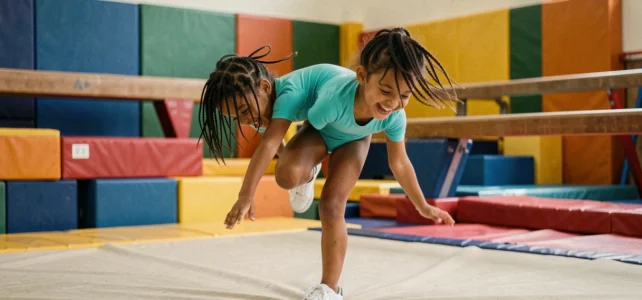
A 2-year-old child climbing on a cushion on the floor, kicking a ball with their foot in the living room, chasing a cat in the garden: that’s already sports. Introducing children to sports from a young age doesn’t start with signing up for a club. It begins with simple motor situations, repeated daily, that lay the foundations for physical and mental well-being in the years to come.
Free motor skills before age 3: the playground starts at home
What happens before entering preschool is often underestimated. Between ages 1 and 3, a child needs at least 180 minutes of movement per day, of all intensities, according to WHO guidelines for under 5s. Crawling, climbing onto a couch, walking barefoot on varied surfaces—all of it counts.
The common trap at this age is screens. The same WHO recommendations emphasize the absence of screen exposure before ages 2-3, followed by strict limitations. Every minute spent in front of a tablet replaces a minute of free movement, with documented effects on sleep and weight gain.
In practical terms, you can set up a space on the floor with cushions of different heights, a small fabric tunnel, objects to push or pull. No expensive equipment is needed. Parents looking for structures suitable for toddlers can turn to specialized programs like those offered on baby-sport.fr, designed to support motor skills from the first steps.
Physical activity between ages 3 and 6: prioritize play, not discipline
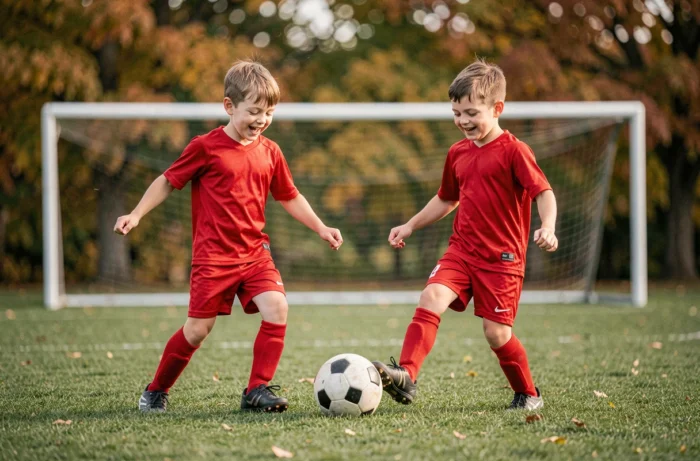
At this age, we often talk about “multisport discovery.” In practice, most 3-4 year-olds are not ready for technical instructions. Their attention lasts a few minutes. What works is motor play: running after a friend, throwing a ball against a wall, jumping into hoops.
The joy of movement always precedes technical learning. A child who associates sports with a constraint at age 4 is likely to disengage well before adolescence. Feedback on this point varies among families, but the trend observed by sports educators is clear: children who have had the freedom to choose their activity remain engaged longer.
What we can concretely offer
- Home motor skills courses (chairs, cushions, hoops) two to three times a week, varying obstacles to stimulate balance and coordination
- Outings to the park with chase games, climbing, or ball games, without performance goals
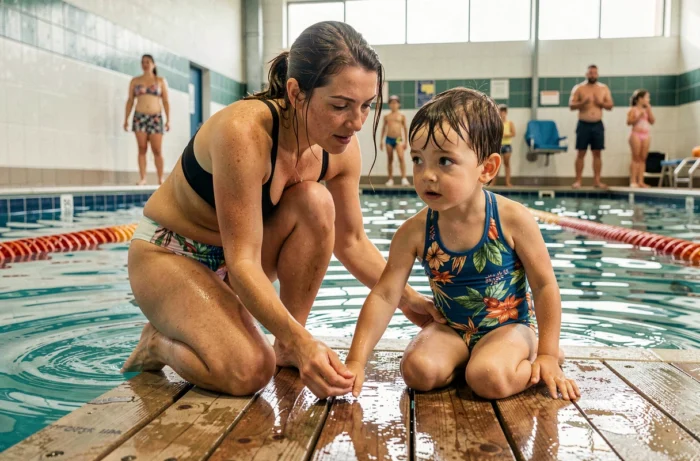
- A first structured activity like baby gym, baby judo, or aquatic awakening, provided the child goes willingly
- Active daily movements: walking to school, climbing stairs, riding a bike with training wheels
The role of parents at this stage is not to coach but to participate. A 4-year-old who sees their father or mother running with them in the park understands that moving is part of normal life.
WHO recommendations for ages 5-17: understanding the true activity threshold
Since the 2020 update of WHO recommendations, the goal for ages 5-17 is an average of 60 minutes per day of moderate to vigorous activity over the week, which means at least 420 minutes weekly. This is no longer a rigid daily threshold. A child can move for 90 minutes on Wednesday and 40 minutes on Monday without it being a problem.
This nuance changes how we organize the week. Rather than feeling guilty on calm days, we can focus physical activities on days when the child has the most energy and available time.
How to reach those 420 minutes without it becoming a chore
The secret is diversity. A 7-year-old who bikes to school (20 minutes round trip), plays in the playground (30 minutes total), and has a soccer practice on Wednesday afternoon reaches the threshold without apparent effort.
The mistake would be to bet everything on the club. Structured sports represent only a fraction of the necessary physical activity. Free play, active commutes, and family outings complement the picture much more effectively than a second club registration.
Encouraging without pushing: the role of parents in the long term
When an 8-year-old says they no longer want to go to judo, the immediate reaction is often to force them. We think they need to learn to commit, not to give up. However, a change in sports activity is not abandonment; it’s exploration.
What matters for long-term health is not loyalty to a sport, but maintaining regular physical activity in any form. A child who switches from swimming to biking continues to move. A child who is forced to swim ends up associating sports with constraint.
Signals to watch for
- The child consistently drags their feet before each session, not just occasionally
- They develop recurring pains (knees, back, ankles) that may signal overtraining or poorly supervised technical movements
- They constantly compare their performance to others and lose self-confidence
In these cases, a dialogue with the sports educator and the treating physician allows us to distinguish between temporary fatigue and real discomfort. The pediatrician’s opinion remains the reference for assessing whether the activity is suitable for the child’s development.
Initiating sports is not determined by a registration in September. It is built in small doses, in daily life, through games, walking trips, and shared moments. A child who has moved freely between ages 2 and 6, who has discovered several activities without pressure between ages 6 and 10, has the strongest foundation to remain active throughout their life.