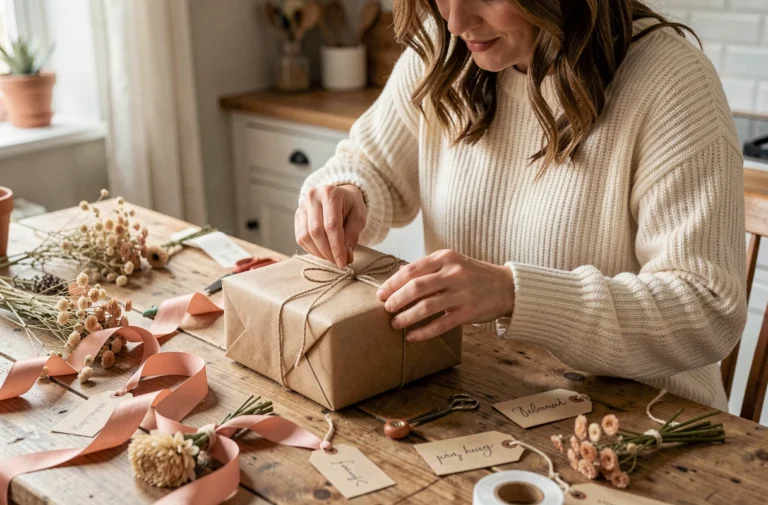
Online fashion refers to all purchasing, monitoring, and clothing inspiration practices that take place through digital platforms. It encompasses both e-commerce sites and digital magazines, social networks, or trend aggregators. Since the enactment of the law of July 8, 2026, on fast fashion in France, this sphere has undergone a profound transformation that changes the way one builds their style on a daily basis.
Fast Fashion Law 2026: What Changes for Buying Clothes Online
The law of July 8, 2026, titled “Fast Fashion, Environmental Impact of Disposable Fashion,” imposes new obligations on online fashion platforms and brands regarding transparency and communication. Accelerated collection cycles are directly targeted, and very low prices will need to be accompanied by information about the environmental impact of the products.
For buyers, this means a gradual access to more reliable data on the composition of textiles, manufacturing conditions, and the durability of the offered pieces. Product sheets become a real decision-making tool, rather than just a commercial description.
This regulatory constraint also pushes brands to extend the lifespan of their collections. As a result, consumers who follow online fashion trends have more time to spot, compare, and select their clothing, instead of succumbing to the pressure of constant renewal. Exploring the fashion section on Shop Mania allows one to browse selections organized by style rather than by fleeting seasonal cycles.
Sustainable Wardrobe and Style: Building a Coherent Wardrobe
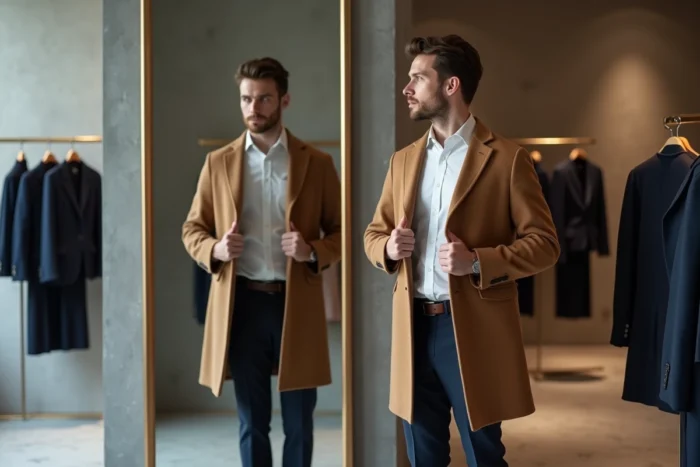
The concept of sustainable wardrobe is based on three pillars: reducing the number of purchases, favoring durable materials, and opting for repair or second-hand. The Belgian SPF Public Health has formalized this approach in a practical guide that emphasizes stylistic sobriety as a lever of style, rather than a constraint.
In practical terms, building a coherent wardrobe means identifying the pieces that one actually wears. A simple method is to turn all hangers in the same direction, then return them to the original position after each use. After a few weeks, the clothes that have never been worn become clearly visible.
Materials and Care: Two Often Overlooked Criteria
The durability of a garment depends as much on its material as on its care. A pair of thick cotton pants washed at low temperature retains its shape much longer than a fine synthetic fabric put in the dryer. The cost per wear matters more than the purchase price: a piece worn regularly for several years is cheaper than an impulsive purchase abandoned after a few weeks.
- Check the composition on the label before buying online (percentage of natural fibers, presence of recycled materials)
- Consult customer reviews on the garment’s performance after several washes, not just on its visual appeal upon receipt
- Favor brands that detail their care instructions directly on the product sheet
Accessories and Colors: The Most Cost-Effective Style Levers
Refreshing one’s look without multiplying purchases often involves accessories: bags, belts, shoes, or scarves. The same pants and top can change radically depending on whether they are paired with white sneakers or leather ankle boots.
Colors play a similar role. Mastering two or three color combinations that work with one’s body shape and skin tone allows for creating varied outfits from a limited number of pieces.
Adapting Trends to One’s Body Shape
Following a trend does not mean adopting it as is. An oversized cut highlighted by online fashion magazines may work well on a tall silhouette but overwhelm a smaller frame. The principle remains the same for dresses, jackets, or pants: the cut takes precedence over the trend.
- Identify the proportions that enhance (defined waist, structured shoulders, visible leg length)
- Test trends in small doses, through an accessory or a color, before investing in a statement piece
- Use the detailed size guides provided by online fashion sites, which often now include actual measurements worn by models of various body types

Online Fashion Monitoring: Where to Find Reliable Inspiration
Sources of inspiration have multiplied, but not all are equal. Runway aggregators allow you to view collections by season and provide a more precise monitoring tool than a social media news feed, where the algorithm favors sponsored content.
Digital fashion magazines (Elle, Marie Claire, Madame Figaro) remain references for deciphering seasonal trends. Their added value lies in editorial analysis: they explain why a cut or material is returning, not just that it exists.
Cross-checking at least two different sources before buying remains the best way to avoid purchases dictated by a single algorithm. A garment spotted on a social network, then confirmed by an in-depth article or a price comparison, is much more likely to correspond to a thoughtful choice.
Online fashion is no longer limited to a catalog of clothing. With regulations imposing greater transparency and the rise of sustainable practices, style becomes a matter of informed choices. It’s better to have five well-chosen pieces, worn regularly and properly maintained, than a wardrobe cluttered with clothes forgotten after a season.