A coach who schedules online sessions from their living room is now subject to the same legal obligations as a physical trainer in a gym. This regulatory change, effective since 2023-2024, has reshuffled the cards of sports coaching in France. It requires a rethink of support formats, the tools used, and the skills expected from coaches.
Online sports coaching and legal framework: what has changed in 2024
For a long time, coaches offered programs via apps or video conferences without worrying about regulations. Article L212-1 of the Sports Code no longer makes a distinction: any person who supervises a physical activity for remuneration must hold a state-recognized diploma and a professional sports educator card, whether the session takes place in person, online, or via an app.
In practical terms, a coach who sells online sessions without a BPJEPS or equivalent is operating illegally. The alignment of remote coaching with in-person coaching has prompted several platforms to verify the diplomas of their instructors before listing them.
To follow the latest updates on Quel Coach, one can check the regular updates on sector developments and the selection criteria for certified professionals.
Smartwatches and training data: a field tool for the sports coach
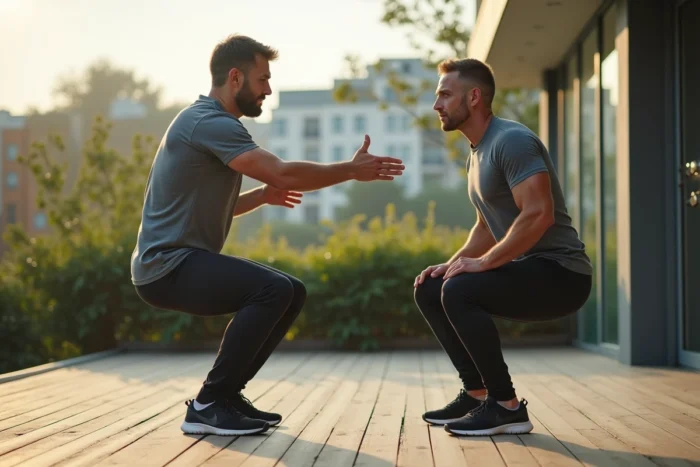
The smartwatch is no longer a gadget for the casual runner. It has become a real communication channel between the coach and their client. Heart rate, heart rate variability, sleep quality, training load: data is transmitted in real-time and allows for session adjustments without waiting for the next appointment.
On the ground, it is observed that coaches who leverage this data adapt the programming to the client’s actual recovery, not to a fixed four-week schedule. An athlete who sleeps poorly for three consecutive nights will see their intensity reduced even before feeling fatigued during the session.
Feedback varies on this point: some clients willingly share their data, while others find it intrusive. The coach must establish a clear framework from the start regarding the metrics used and their purpose.
Which metrics to prioritize
- Heart rate variability (HRV), which reflects the recovery state of the autonomic nervous system and guides session intensity
- Cumulative training load over seven days, to avoid volume spikes that lead to injury
- Sleep score, because chronic deficits sabotage physical results long before the client realizes it
Artificial intelligence and sports coaching: complement or competitor
Applications today generate personalized exercise programs in seconds thanks to artificial intelligence. They analyze the level, goals, available equipment, and propose structured sessions. A flesh-and-blood coach, however, maintains a distinct role compared to an algorithm that continuously adjusts the load.
AI excels in mechanical planning but cannot detect a compensating knee, a posture that deteriorates under fatigue, or a drop in motivation related to a personal issue. Sports coaching relies as much on direct observation and human relationships as it does on programming.
In practice, coaches who stand out use these tools as assistants. AI prepares a programming base, and the coach refines it based on what they observe during the session. This hybrid approach saves time in planning and reallocates it to on-the-ground support.
Niche coaching: specializing for better support
The model of the generalist coach who offers fitness, weight loss, and physical preparation across all sports is losing steam. Practitioners are looking for specialists capable of addressing specific issues.
Specialized coaches in a niche generate more loyalty than those who cast a wide net. Here are some examples of niches that are taking shape:
- Physical preparation for combat sports, with specific work on explosiveness and weight management before weigh-in
- Post-rehabilitation coaching, directly linked with a physiotherapist, for clients recovering from injury and fearing relapse
- Support for active seniors, focused on balance, joint mobility, and maintaining muscle mass
- Corporate coaching oriented towards overall health, including group sessions and advice on sleep and stress management
Positioning oneself in a niche requires continuous training. A coach working with seniors must understand the effects of aging on proprioception. A physical trainer in combat sports must master weight-cutting protocols without endangering health.
Reform of diplomas and new certifications for coaches
The structure of the BPJEPS has evolved in recent years, with a redesign of mentions and capitalizable units. At the same time, short complementary certifications are multiplying to respond to the diversification of the profession: sports nutrition, mental preparation, online coaching.
These short courses do not replace the state diploma. They enrich a mandatory regulatory foundation. A coach displaying a nutrition certification without a BPJEPS remains in violation if they supervise sessions for remuneration.
What this changes in daily life
Recruiters in fitness centers and matchmaking platforms are increasingly verifying complete qualifications. A well-trained coach justifies their rates by documented skills, not solely by their physique or number of followers on social media.
Sports coaching in 2024 is structured around three concrete axes: legal compliance (including online), intelligent use of training data, and specialization. Coaches who combine technical expertise, digital tools, and human relationships are those who build a sustainable activity.