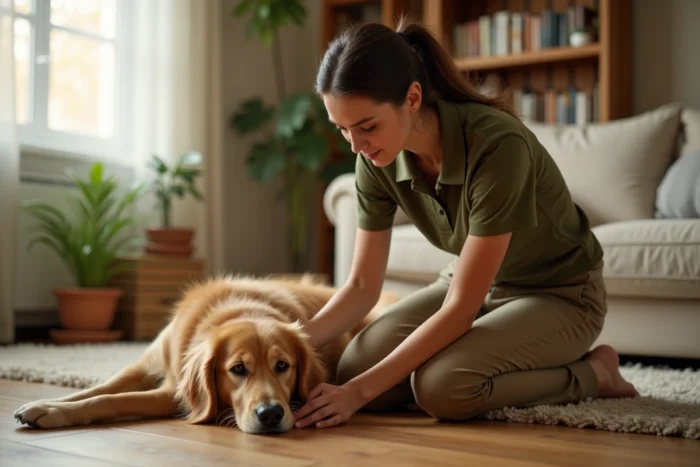
A cat owner is going away for ten days in August and is looking for someone trustworthy to come to their home twice a day. The ad receives about twenty responses within a few hours. In this context, the pet sitter who has recognized training and a real working method gets the job, while the others remain on the waiting list.
ACACED and legal obligations: what the regulations really impose on pet sitters
ACACED becomes mandatory as soon as the pet sitter hosts animals at their home for professional purposes or operates a boarding facility. However, keeping a cat at its owner’s home does not legally require this certification. No specific diploma is required in this case, but the distinction only depends on the place of care.
This distinction is significant for those who want to offer multiple care options. Welcoming dogs into one’s own home without ACACED exposes one to sanctions under the Rural Code. It is therefore recommended to obtain this certification from the start, even if the initial activity is limited to home visits.
ACACED covers three categories (dogs, cats, small pets) and can be completed in a few days. The training covers animal welfare, health regulations, and the basics of behavior. It is renewed every ten years. Several organizations offer it in person or online, and a detailed overview of possible courses can be found in the training to become a pet sitter on 4 Pattes d’Amour, which also details the associated administrative procedures.

Additional training for pet sitters: standing out in a competitive market
ACACED provides a foundation, but it is not enough to reassure increasingly demanding pet owners. In practice, pet sitters who secure regular jobs are those who demonstrate additional, verifiable skills.
Veterinary assistant and pet store advisor
Several organizations have noted that candidates for the pet sitter profession choose more comprehensive paths to stand out. The title of veterinary assistant provides health and basic care skills that immediately reassure clients. Administering treatment, spotting the first signs of a digestive issue, or managing a superficial wound: these actions are part of daily practice, and knowing how to perform them changes the trust relationship with the owner.
The diploma of pet store advisor covers nutrition, behavior, and knowledge of care products. This profile is particularly interesting for pet sitters managing animals with specific dietary needs or reactive dogs during walks.
Canine and feline first aid
Short first aid courses dedicated to companion animals exist, often lasting a day. They teach resuscitation, management of choking, and emergency bandaging. For a pet sitter who walks dogs in groups or cares for elderly animals, knowing how to react in the first five minutes of an incident can save an animal.
Micro-enterprise status and professional liability insurance: the two administrative pillars of pet sitting
One does not become a professional pet sitter without declaring their activity. As soon as animal care is performed regularly and for payment, a status is required. The micro-enterprise remains the most common choice to start, with simplified formalities and a simplified tax regime.
Professional liability insurance is not legally mandatory, but working without coverage means taking a major financial risk. A dog that bites a passerby during a walk, a cat that damages furniture at a neighbor’s: without professional liability insurance, the pet sitter bears the full extent of the damages alone. Most matching platforms also require this insurance to list a profile.
A written care contract protects both parties. It specifies the schedule, the care to be provided, veterinary instructions, rates, and cancellation conditions. This document, even if simple, avoids most disputes.
Building a pet sitter clientele: what works after training
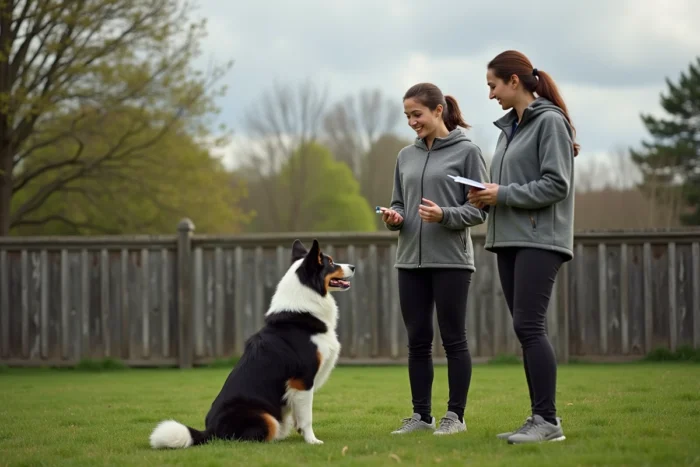
Having the right diplomas does not fill a schedule. Finding clients requires an active and targeted approach.
- Starting with volunteering at a shelter or caring for acquaintances allows one to build an initial portfolio of verifiable testimonials, with photos and written feedback.
- Signing up on specialized pet sitting platforms provides immediate visibility to owners actively looking for a caregiver in their geographic area.
- Regularly posting on local social media (neighborhood groups, community pages) works better than general advertising because owners want someone nearby.
- Offering a first free meeting with the animal, at the owner’s home, allows one to showcase their approach and reassure about their working method.
The first three months are often the most challenging in terms of cash flow, while getting known and securing recurring jobs. Client retention then comes naturally if the care goes well.
The contract and follow-up as tools for retention
Sending photos or short videos during the care period, writing a report at the end of each job: these simple practices transform an occasional client into a regular one. Owners share this feedback within their circles, and word-of-mouth remains the most cost-effective acquisition channel for an independent pet sitter.
The profession of professional pet sitter relies on a concrete triptych: solid training (ACACED at a minimum, supplemented by specializations), a proper administrative framework (declared status, insurance, contract), and the ability to demonstrate seriousness from the first contact. Pet owners do not entrust their dog or cat to chance, and each well-managed care builds the next one.